Preceptorship

Healing Through Making

“In shaping clay, we shape ourselves – each purposeful touch a step on the path to healing, each vessel formed a testament to the restoration possible within.”

Our Vision and Story

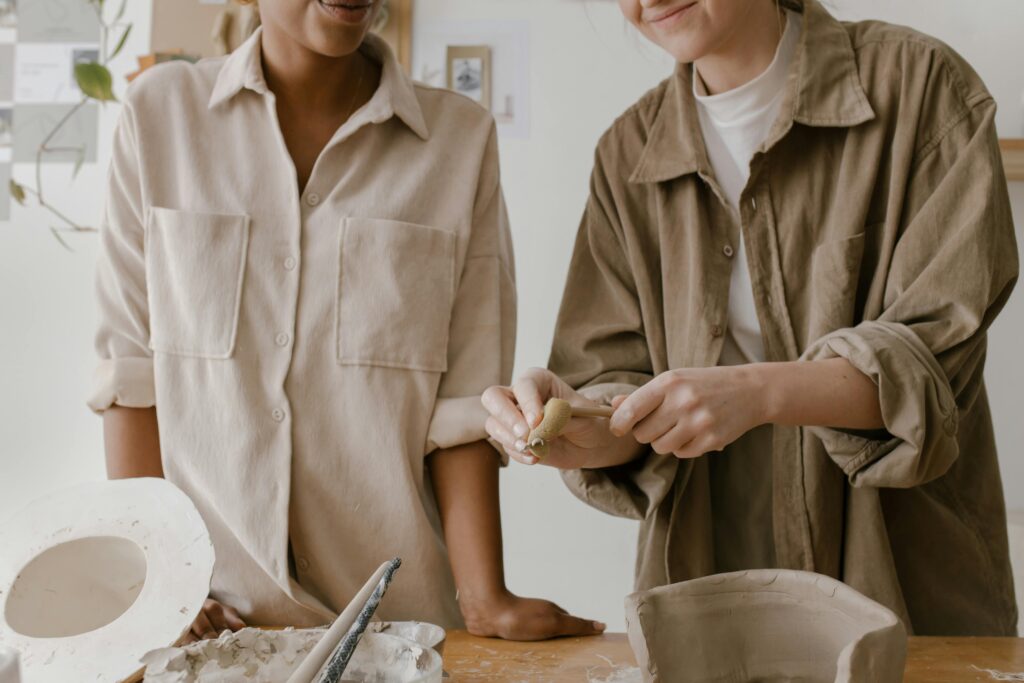
At Neighbourhood Pottery, we have witnessed firsthand the transformative power of pottery in the lives of trauma survivors. What began as a humble church initiative has blossomed into a network of healing communities, where the ancient craft of pottery-making becomes a vessel for God’s restorative work in broken lives.

Seminary Gate Vision
Our vision for “Seminary Gate” aims to redeem theological wastelands through:

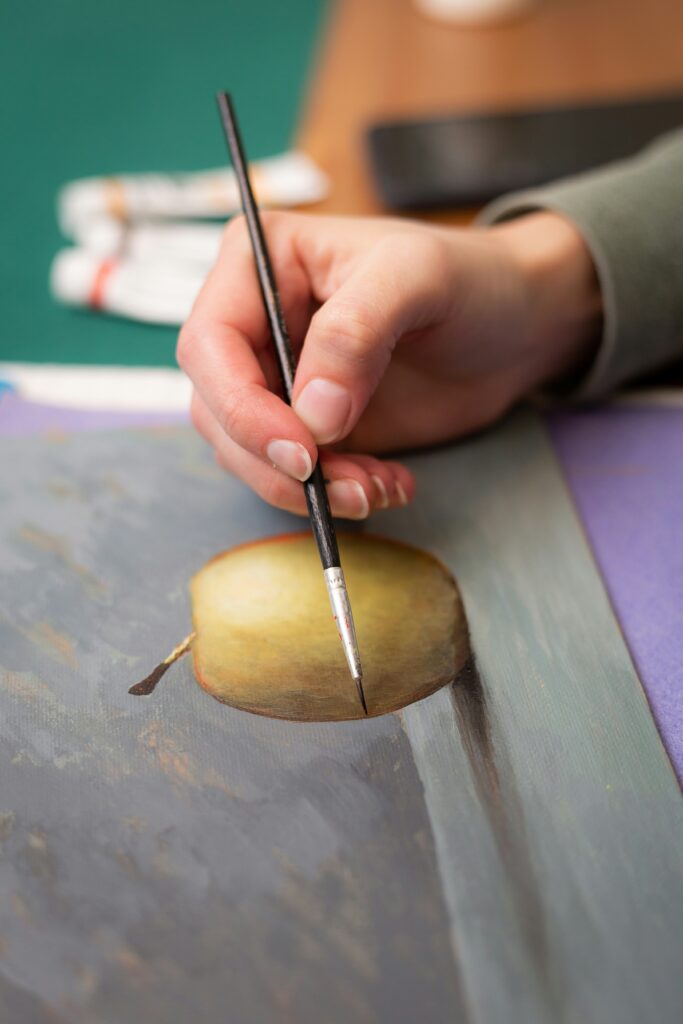
  • Studio Art Specialization: We focus on διακονία (hand genius), recognizing that creative expression can be a profound pathway to spiritual understanding and personal growth. This approach allows participants to explore faith through tangible, hands-on experiences.
  • Self-Organized Learning Environments (SOLE): By empowering participants to take ownership of their learning journey, we create spaces where individuals can discover their unique gifts and potential. This method encourages curiosity, self-direction, and collaborative exploration.
  • Artistry and Spiritual Formation: We believe that creating art is inherently a spiritual practice. By integrating hands-on creativity with theological reflection, participants develop a deeper, more embodied understanding of their faith and personal calling.
  • Blue-Zone (+) Community Curriculum: Drawing inspiration from communities known for longevity and well-being, our approach emphasizes holistic healing, intergenerational wisdom, and supportive community connections.

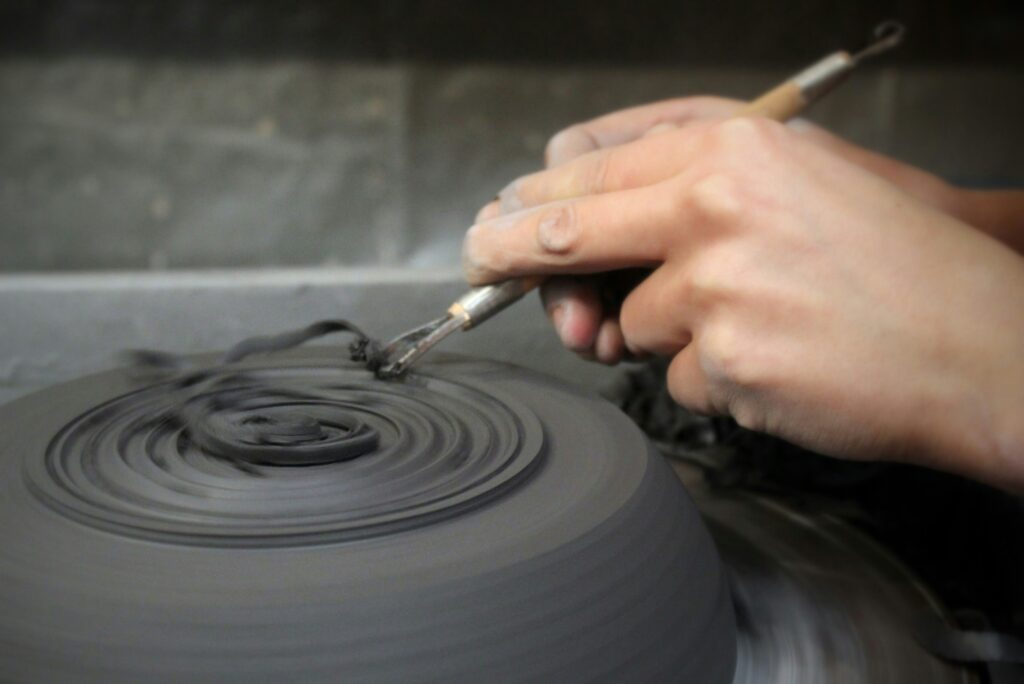
pexels-mibernaa-26792252

Core Philosophy and Approach

At our “Healing through Making” program, pottery is more than a craft—it’s a pathway to healing. Just as clay is shaped with patience and care, we believe in the transformative power of community-driven restoration. A skilled potter knows that rushing the process risks breaking the vessel; similarly, we recognize that true healing requires time, compassion, and gentle hands.

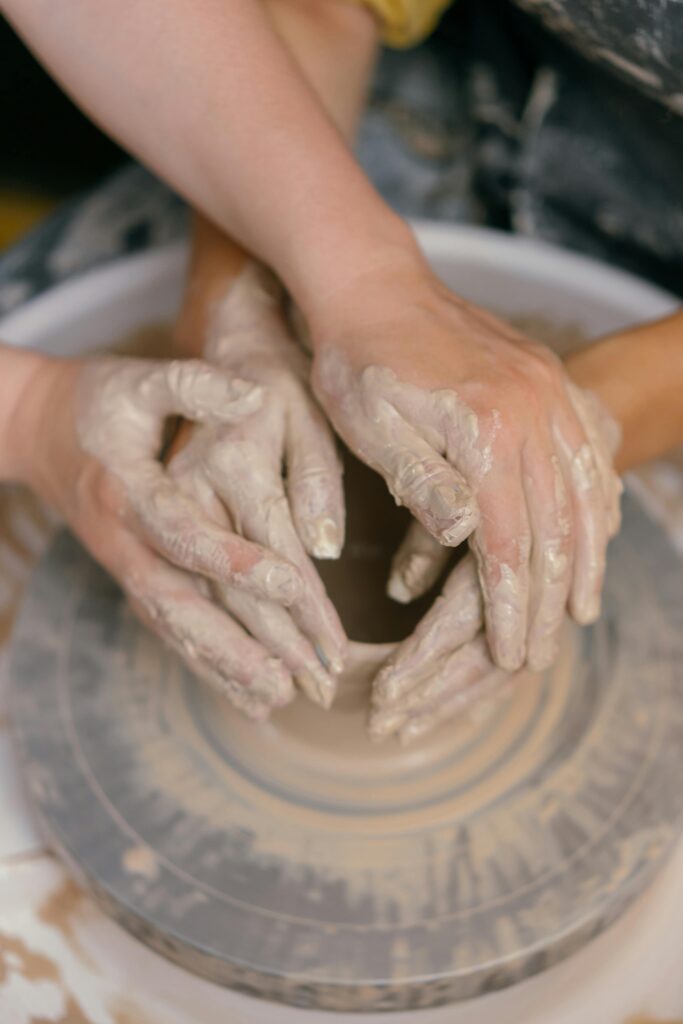
When someone comes to us feeling broken, we don’t simply address the surface issues. Instead, we cultivate a safe, supportive environment where healing can take root. The pottery wheel becomes a symbol of renewal, a space where fractured pieces are reshaped into something beautiful. Our approach is deliberately slow and communal, grounded in the understanding that lasting healing flourishes best within the embrace of community. As hands mold clay, hearts find restoration.

Our preceptorship program embodies the principle that “Talent hits a target no one else can hit, genius hits a target no one else can see.” Through kinaesthetic intelligence, or “learning by hand,” we cultivate both talent and genius. This philosophy manifests through:

  • Practical, hands-on training that develops tangible skills while nurturing the ability to envision innovative solutions
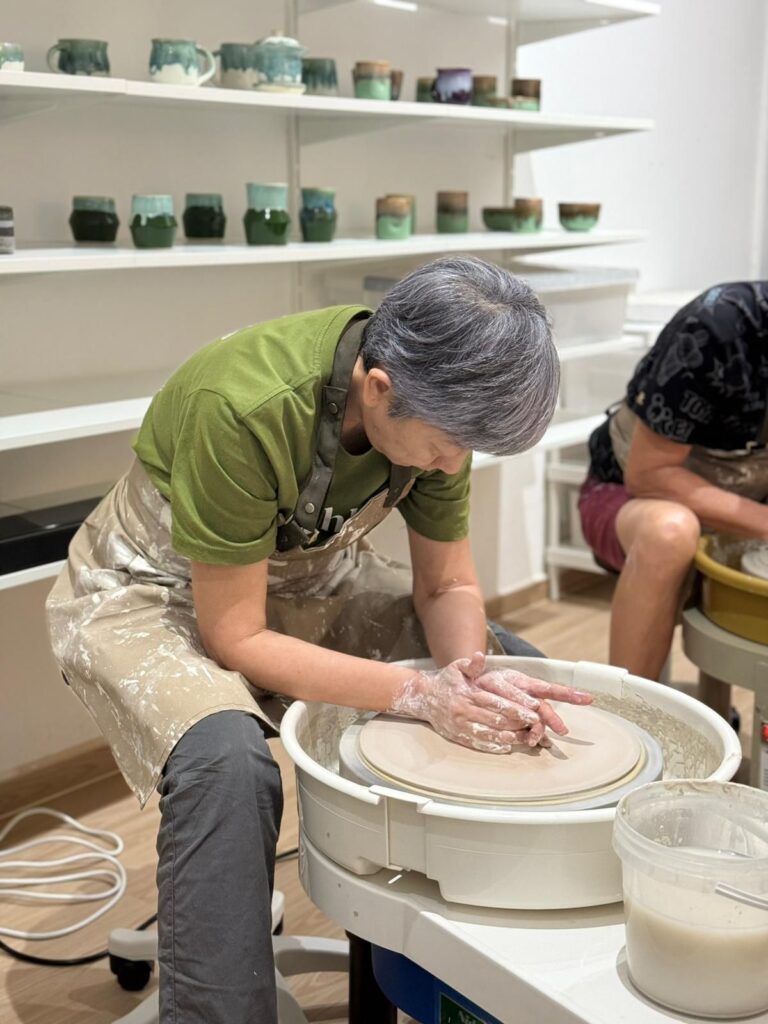
  • Engaging activities at the pottery studio, where participants not only work with clay but also discover their modal excellence that open new perspectives to life, learning and futures
  • Creative projects, such as studio art specialisations which foster technical prowess and inspire visionary thinking

Our curriculum follows a divinely inspired progression that mirrors both the pottery-making process and the spiritual journey:

Foundational Scripture:
John 9:6-7 “After saying this, he spit on the ground, made some mud with the saliva, and put it on the man’s eyes. ‘Go,’ he told him, ‘wash in the Pool of Siloam’ (this word means ‘Sent’). So the man went and washed, and came home seeing.”

This progression includes:

  • Centering: Establishing spiritual foundations and identity in Christ
  • Formation: Character development through hands-on experience
  • Trimming: Spiritual refinement and growth
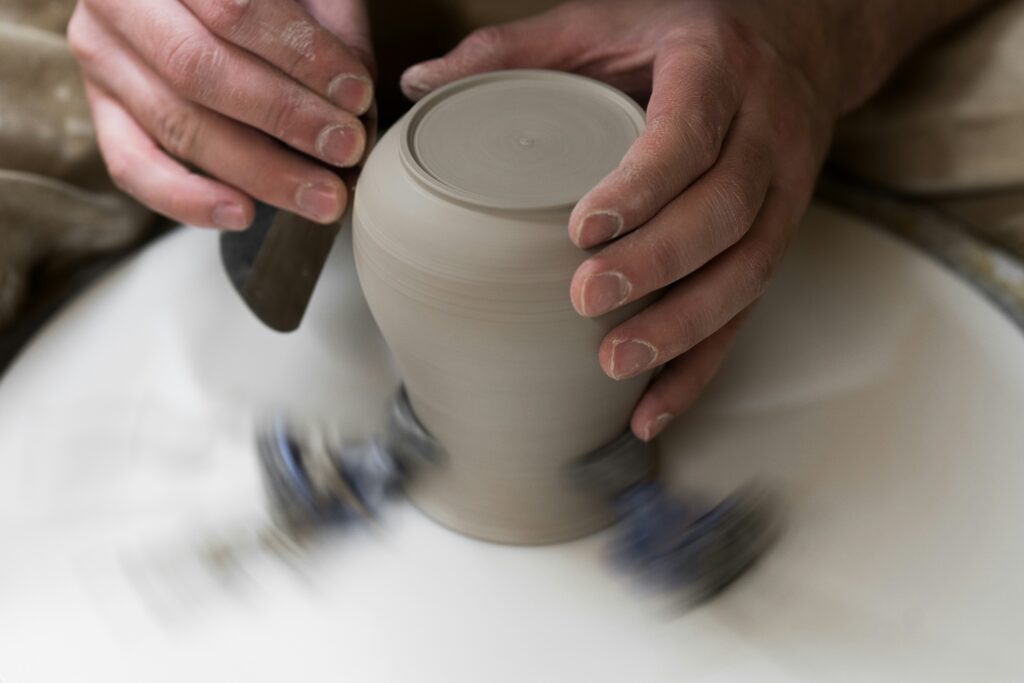
  • Finishing: Integration of learning into daily life and ministry

For additional scriptural foundations on social justice ministry, refer to Appendix A, Questions 1 and 2. in our “Preceptorship” report.

Understanding Trauma's Impact

Our approach recognizes trauma’s effects across multiple dimensions:

  • Neurobiological Disruption: Trauma fundamentally alters brain chemistry and neural pathways, leaving survivors in a constant state of heightened alertness. This physiological response can make traditional healing approaches less effective.
  • Psychological Disconnection: The profound breach of trust caused by traumatic experiences creates deep emotional barriers. Survivors often struggle to form meaningful connections with themselves and others, leading to feelings of isolation and vulnerability.
  • Physical Memory Storage: Trauma isn’t just a mental experience—it’s stored in the body’s tissues, muscles, and nervous system. This physical manifestation can lead to chronic tension, dissociation, and somatic symptoms.
  • Spiritual Questioning: Traumatic experiences often trigger existential crises, challenging fundamental beliefs about personal worth, divine purpose, and the nature of suffering. These spiritual wounds require gentle, compassionate exploration.

Our Therapeutic Framework

1. Neurobiological Restoration

The pottery process naturally addresses trauma’s impact on the nervous system through:

Sensory Integration

  • Clay texture provides immediate sensory feedback
  • Rhythmic throwing motions create natural regulation
  • Multi-sensory engagement activates multiple brain regions
  • Physical pressure releases muscle tension

Nervous System Regulation

Focused attention reduces stress hormones
Predictable environment resets threat detection
Success experiences release positive neurochemicals
Regular rhythm promotes parasympathetic activation

2. Psychological Transformation

Our approach facilitates healing through multiple therapeutic mechanisms:

Trauma Processing

  • Non-verbal expression bypasses language barriers
  • Metaphorical work allows safe exploration of themes
  • Physical creation provides “displacement activities”
  • Contained environment supports emotional regulation

Identity Reconstruction
Through the creative process, participants experience:

  • Building genuine self-efficacy through mastery
  • Tangible evidence of capability in completed works
  • Reinforcement of personal agency
  • Positive self-perception through artistic achievement

3. Physical Reconnection

Embodied Healing Our gentle approach includes:

  • Progressive body awareness exercises
  • Coordinated movements for mind-body integration
  • Natural grounding techniques
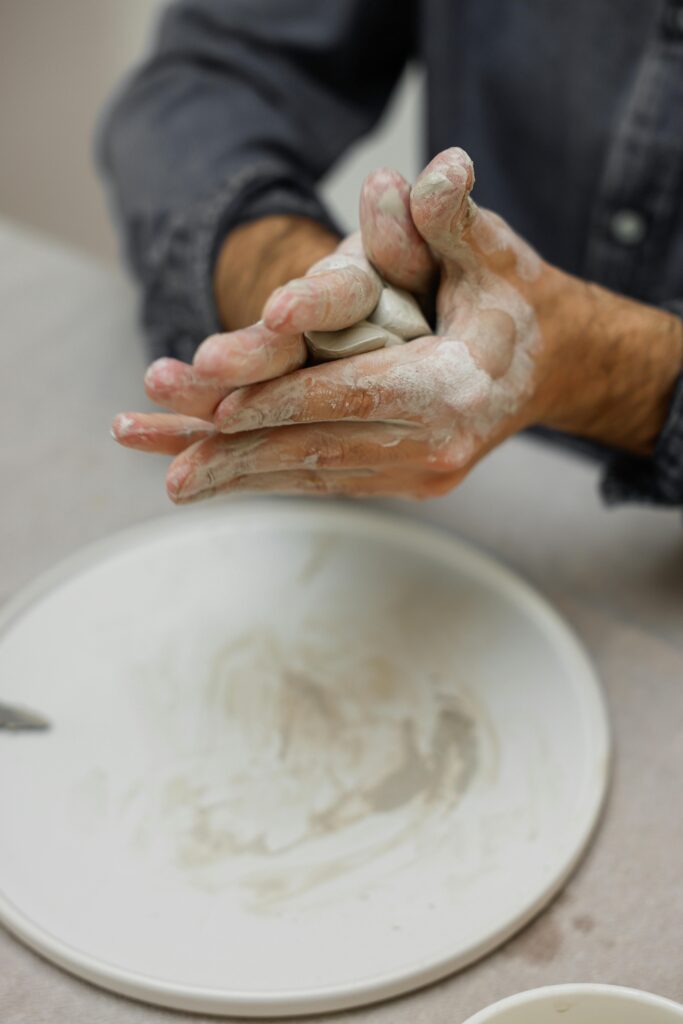
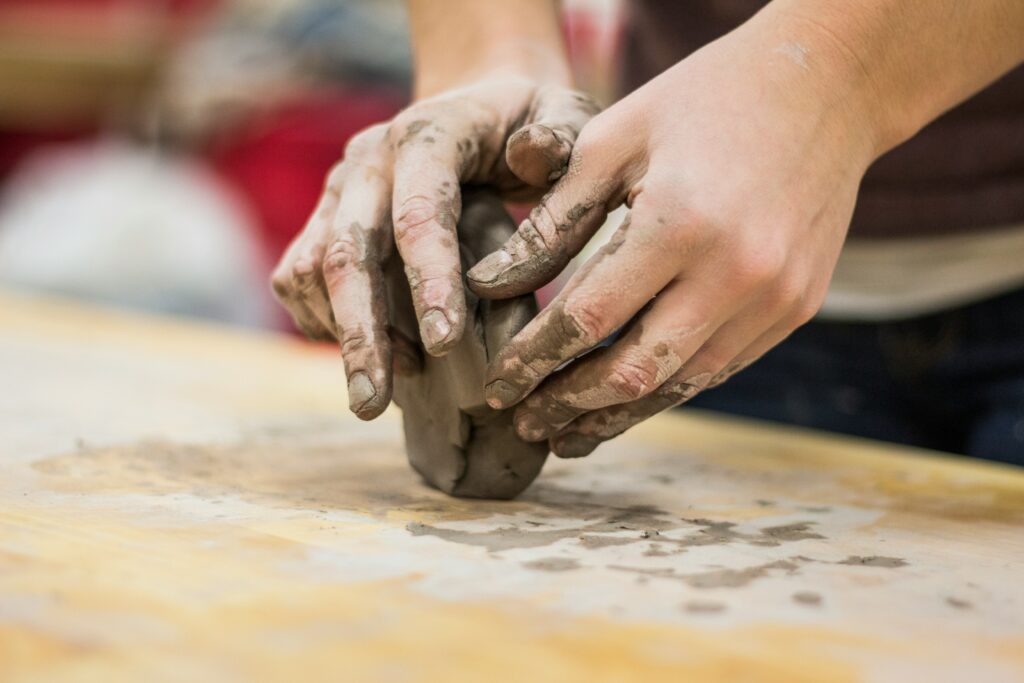
  • Safe touch experiences with clay

Program Structure

Core Components

  1. Technical Skills Development
    • Centering and forming techniques
    • Vessel creation and refinement
    • Glazing and finishing processes
    • Studio safety and tool usage

  2. Spiritual Development
    • Biblical studies in original languages
    • Exploration of God’s creative nature
    • Community worship integration
    • Reconciliation studies

  3. Leadership Training
    • Trauma-informed care principles
    • Studio management skills
    • Teaching methodology
    • Mentorship preparation

For insights on church leadership in social justice contexts, refer to Appendix A, Questions 6 and 8 in our “Preceptorship” report.

The Multiplication Effect: Survivor to Preceptor Pipeline

Our unique program progresses through three key phases:

1. Foundation Phase (Initial Healing)

This initial stage focuses on establishing safety and basic skills. Participants experience:

  • Introduction to basic pottery techniques
  • Personal healing through creative work
  • Trust-building within community
  • Discovery of artistic expression
  • Development of emotional safety
2. Integration Phase (Apprenticeship)

During this phase, participants begin to step into leadership through:

  • Advanced pottery technique mastery
  • Initial mentoring experiences
  • Leadership training participation
  • Development of teaching skills
  • Creation of safe spaces for others


3. Transformation Phase (Leadership)

In this final phase, participants fully embrace their role as leaders:

  • Managing studio operations
  • Mentoring new participants
  • Contributing to program development
  • Building community culture
  • Innovating healing approaches

Implementation Model

Our Distance Education Framework operates through three key structures:

Hub Studios

  • Established healing pottery centers
  • Local church community partnerships
  • Resource sharing networks
  • Community engagement initiatives

Virtual Connections

  • Online mentoring programs
  • Cross-border prayer support
  • Resource sharing platforms
  • Digital learning communities

Leadership Development

  • Spiritual mentorship training
  • Business management skills
  • Program development expertise
  • Community building strategies

The Multiplication Effect: A Human-Centric Journey

What truly sets our program apart is its self-perpetuating nature, demonstrated through our Survivor to Preceptor Pipeline. In the context of trafficking recovery, this human-centric approach becomes particularly powerful as it restores agency, rebuilds identity, and reestablishes healthy power dynamics—essential elements often stripped away through exploitation.

For theological framework on community transformation, refer to Appendix A, Questions 2 and 3 in our “Preceptorship” report.

Survivor to Preceptor (Pipeline)

Our emerging studio leaders are program graduates who have chosen to pay forward their healing journey. Through pottery, survivors transition from experiencing powerlessness to embodying empowerment, from isolation to community leadership. Their progression reflects a human-centric transformation approach that honors individual healing rhythms while fostering collective growth through meaningful connections.

Where healing hands shape future leaders

Journey Phases

1. Initial Healing (Foundation Phase)
The journey begins with gentle reintroduction to physical agency through clay work. As hands shape clay, survivors rediscover their capacity for creating beauty rather than being treated as commodities. During this phase, participants:

  • Begin as students, learning basic pottery skills while rebuilding body trust
  • Experience personal healing through creative work that validates their worth
  • Build trust within a community that honors their dignity
  • Discover their unique voice through artistic expression
  • Develop emotional safety in a trauma-informed environment

2. Apprenticeship (Integration Phase)
This phase marks the transition from personal healing to community engagement. Through teaching others, survivors reclaim their voice and authority. They:

  • Master advanced pottery techniques while developing professional identity
  • Guide new participants, shifting from receiving care to offering support
  • Receive leadership training grounded in trauma-informed practices
  • Build mentoring relationships that model healthy power dynamics
  • Learn to create safe spaces that promote healing for others

3. Leadership (Transformation Phase)
In this phase, survivors fully step into their power as leaders and change-makers. Their lived experience becomes a source of wisdom and inspiration as they:

  • Manage studio operations with restored confidence and agency
  • Mentor new participants from a place of deep understanding
  • Shape program development through survivor-led insights
  • Foster community culture built on dignity and respect
  • Innovate healing approaches based on personal journey
  • Create sustainable pathways for others’ recovery

Core Transformation Principles

  • Our pipeline embodies principles specifically designed to counter trafficking trauma:
  • Restored Agency Through creative control over clay, survivors rebuild decision-making confidence and bodily autonomy. The physical act of shaping materials helps reclaim power over their environment.
  • Collective Wisdom Shared experiences create understanding that counters isolation. Multi-generational knowledge transfer builds resilience against exploitation through community strength.
  • Sustainable Change Economic empowerment through artistic skills reduces vulnerability to re-trafficking. Leadership development ensures program continuity while providing stable career paths.
  • Adaptive Growth Program evolution guided by survivor voices ensures relevance and effectiveness. Creative approaches emerge from diverse experiences, creating culturally sensitive healing paths.

    This multiplication effect creates sustainable change not just for individuals, but for entire communities affected by trafficking.

Studio Art Specialisations - "Learning the Hand"

We partner with diverse artistic specialists including:

  • Fine Artists & Conceptual Artists
  • Ceramicists & Craft Artists
  • Printmakers & Typesetters
  • Artisanal Creators & Pastry Chefs
  • Community Arts Workers & Educators

Join Our Community

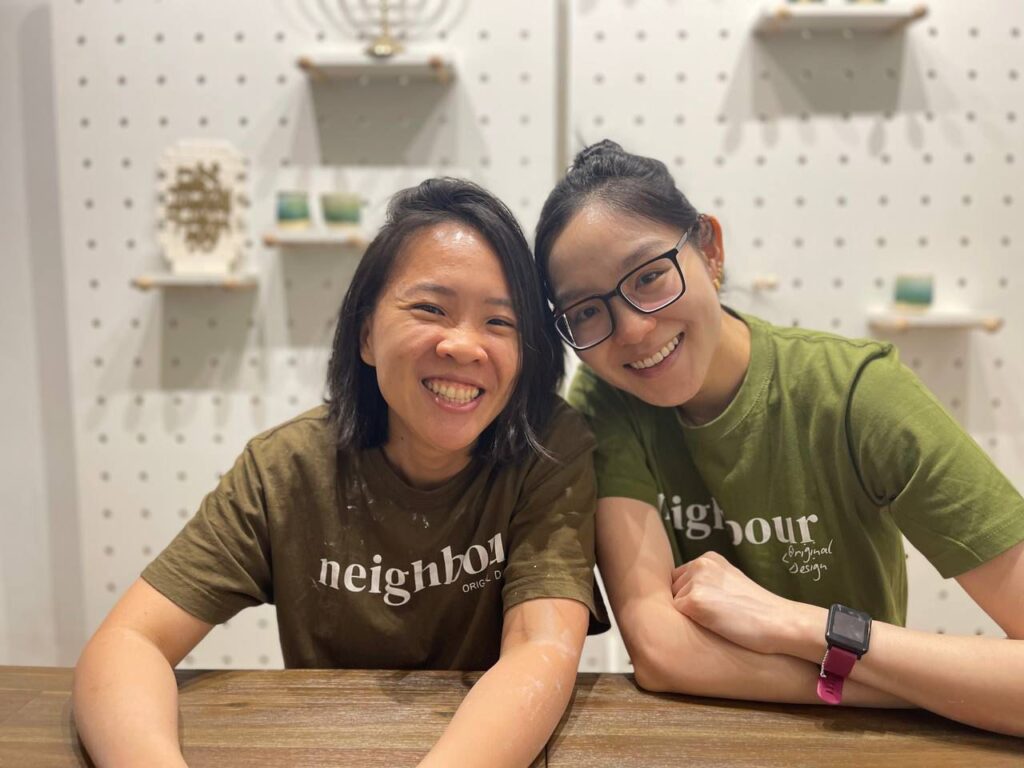
Located at 175B Geylang Road, Singapore, Neighbourhood Pottery welcomes you to our community of healing and transformation.

Contact Information
Rev. Gerard Seow
175B Geylang Road Singapore


Click here for the full “Preceptorship” document.

We'd love to hear from you

7Modalities

Mid-career? In life transition? Want a structured way to reinvent yourself? Life impact coaching is for both group and individual diagnostics in answer to what makes life worth living.

Contact Us

Designed by Besalel Creatives